
SymposiumMobility and Immigration Control in Postwar East Asia: Formation, Interdependence, and Contemporary Transformations
Date & Time: July 19, 2026 (Sun.), 13:00–16:30
Venue: Shikokan SK110, Karasuma Campus, Doshisha University
Speakers: Yongmi Ri (Kyoto University), Tomoyoshi Doi (International Peace Research Institute, Meiji Gakuin University), Yuki Tsuruzono (Kagawa University), Junichi Akashi (University of Tsukuba), Masaru Tonomura (The University of Tokyo)
Organizer: “Multicultural Cities and the Crisis of Coexistence,” Doshisha Hub, Global Mediterran
- SHARE


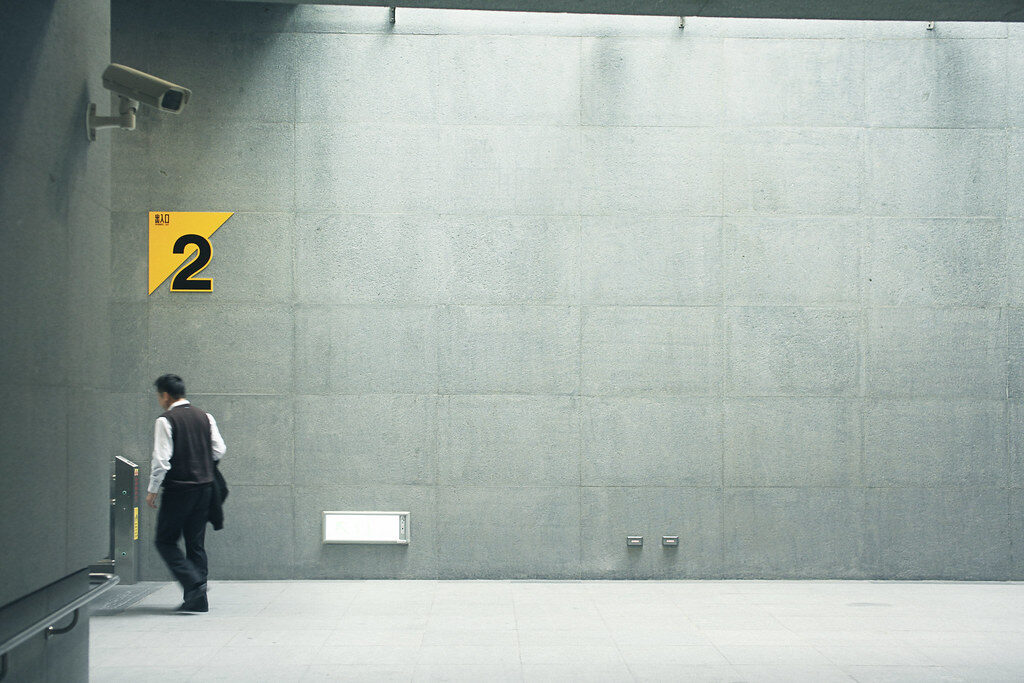
©Brandon Huang "Exit", Taken on January 6, 2015 (No change has been made)
概要
Immigration control systems in East Asia were shaped by the shifting borders that followed the collapse of the Japanese Empire and by the geopolitical dynamics of the Cold War order. In recent years, a number of important studies have advanced our understanding of these issues. Among them are Tomoyoshi Doi’s U.S. Rule in Okinawa and the Management of “Foreigners”: A Genealogy of Deportation (2022), which examines mobility control in Okinawa under U.S. administration; Yongmi Ri’s A Social History of Immigration Control: Managing Boundaries in Postwar Japan (2023), which explores the realities of immigration control in postwar Japanese local communities; and Yuki Tsuruzono’s The International Politics of Human Mobility (2025), which focuses on the movement and regulation of overseas Chinese in postwar Taiwan. Together, these works have opened new frontiers in the study of immigration control in East Asia.
Today, amid the global resurgence of xenophobia as a reaction against globalization and the rapid transformations of international politics brought about by conflicts such as the Russian invasion of Ukraine and the recent military confrontation involving Iran, the postwar international order appears to be entering a period of profound change. At such a historical juncture, it is particularly important to revisit how postwar regimes of human mobility and immigration control were constructed in East Asia and how they are now being challenged and transformed.
This symposium brings together three pioneering scholars whose work has significantly advanced the study of immigration control in East Asia. Joining them as commentators are Junichi Akashi, from the perspective of immigration policy studies, and Masaru Tonomura, from the perspective of Korean residents in Japan studies. Together, they will discuss the logics underlying the formation of East Asian immigration control systems, their mutual interdependence, and the contemporary uncertainties and transformations they face.
Moderator: Fuminori Minamikawa (Doshisha University)
Program Advisor: Shinzo Araragi (Kansai Gaidai University)
Keynote Presentations
Yongmi Ri (Kyoto University): “Questioning the Boundaries of the “Foreigner”: The Formation and Practice of the Immigration Control Regime in Postwar Japan”
Tomoyoshi Doi (International Peace Research Institute, Meiji Gakuin University): The History of Immigration Control in the Ryukyu Islands in the Context of “East Asia”: A Comparison with Postwar Japan’s Immigration Control Policy
Yuki Tsuruzono (Kagawa University): Taiwan’s Immigration and Emigration Control Regime within the East Asian Cold War Order: A Perspective from International Relations History
Commentators
Junichi Akashi (University of Tsukuba)
Masaru Tonomura (The University of Tokyo)
Abstracts of the keynote presentations are available here.
DATE & TIME
13:00–16:30, Sunday, July 19, 2026
VENUE
SK110, Doshisha University Karasuma Campus
Format
In-person only
ORGANIZER
esearch Group on “Multicultural Cities and the Crisis of Coexistence”, Doshisha Hub, Global Mediterranean, NIHU
CONTACT
Fuminori Minamikawa (Graduate School of Global Studies, Doshisha University)
fminamik@mail.doshisha.ac.jp